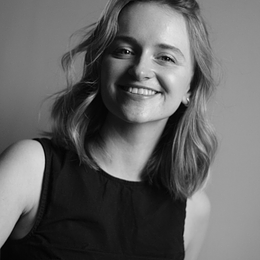
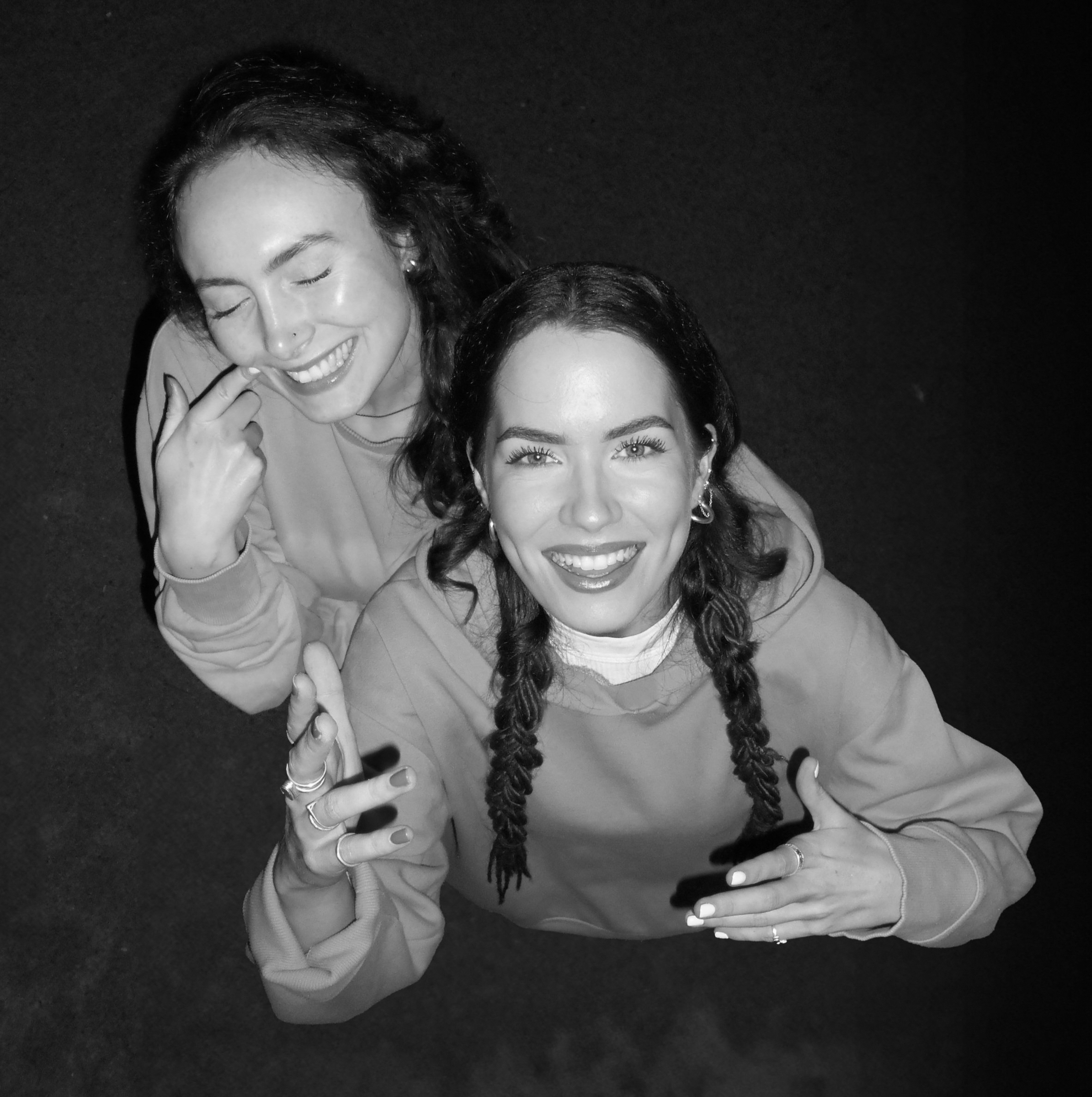
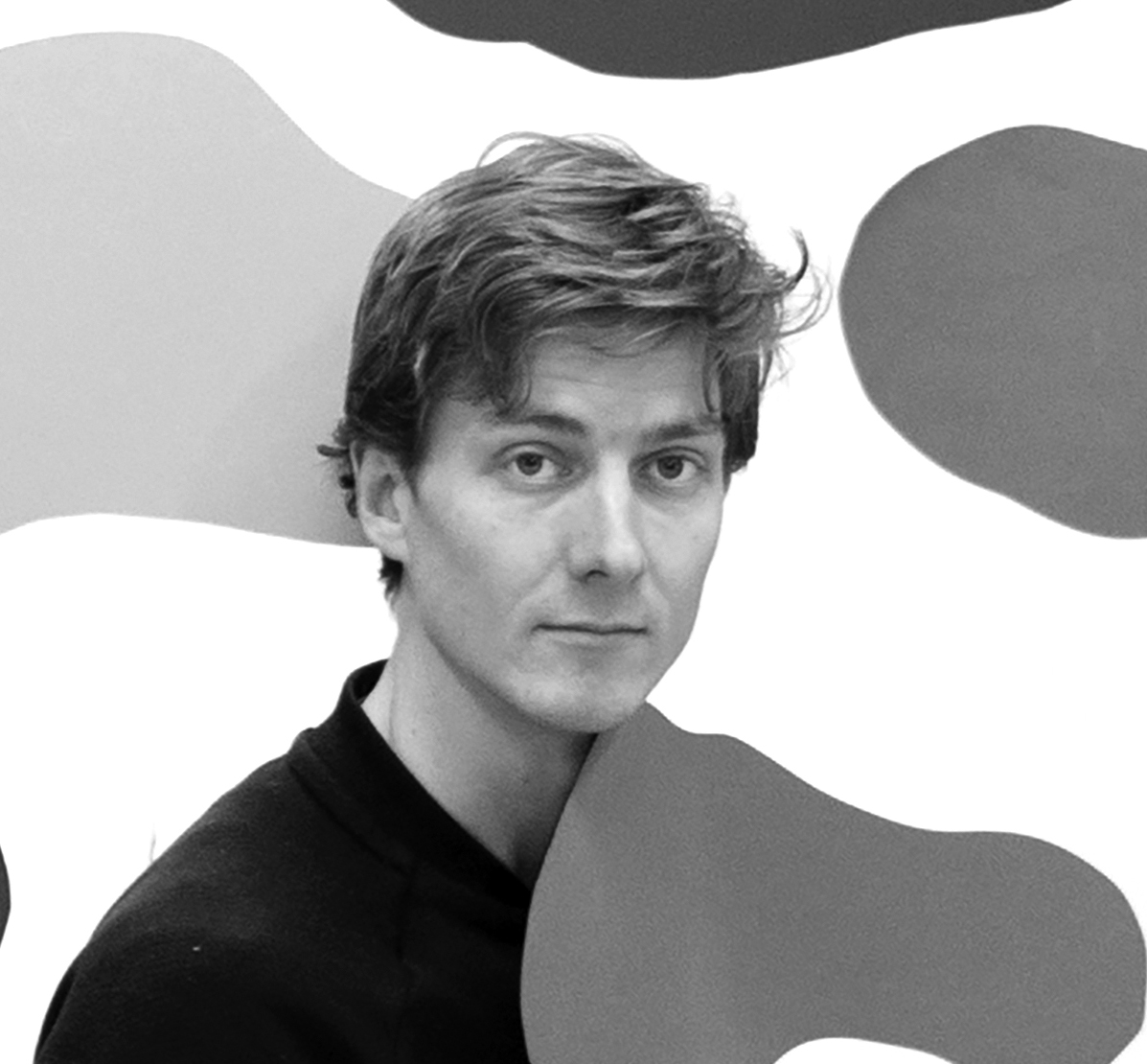
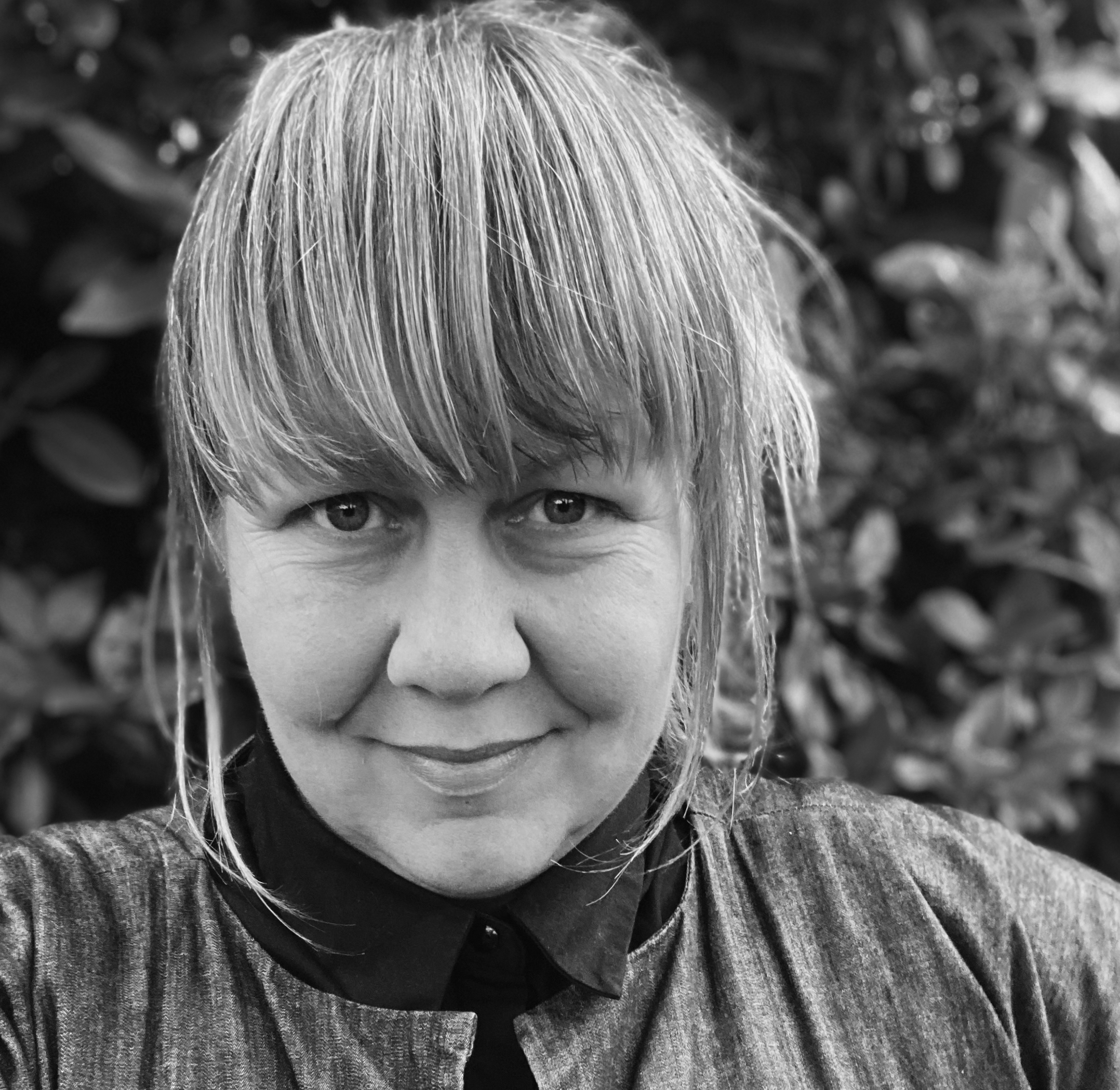
How do creatives thrive in an attention economy where our focus has become the commodity? In Curiosity as Cause, Patrycja Walczak and Agyei Archer of TypeTogether explore how curiosity can guide both design innovation and business growth. Patrycja—formerly a graphic designer, now focused on typography and research—shares how curiosity reshaped her practice and helped steer TypeTogether toward underrepresented scripts, culturally grounded design, and early-literacy tools. This shift moves beyond efficiency or profit, expanding into education, inclusion, and cultural preservation. Agyei, TypeTogether’s Sales & Client Liaison, brings the business lens. Working across emerging markets, he shows how curiosity builds trust, opens design conversations in new geographies, and fosters sustainable collaborations where infrastructure may be limited but impact is high. Together, they reveal how curiosity strengthens every stage of creative work and enables TypeTogether to lead with intention rather than react to trends. As Brian Collins says, “Design is the ability to create intentional change”—and curiosity is where that change begins.
Design doesn’t just shape objects and messages — it shapes who belongs. From street posters to social media, from visual identity to cultural storytelling, design and media define what is seen, what is celebrated, and what is quietly erased. In a rapidly diversifying Ireland, these choices carry enormous weight.
Raise Your Voice is a strategy game created with CARE International to explore how AI shapes communities, governance, and organisational decision-making—especially within humanitarian contexts in the Global South. Designed to be played from multiple stakeholder perspectives—NGOs, local actors, researchers, and tech companies—it encourages players to examine why inclusive, human-centred AI matters. Aligning closely with this year’s theme of Being, the game reframes traditional wargaming into a participatory design method, inviting players to step inside contested futures, negotiate tensions, and experiment with alliances. Deliberately accessible, the game uses a tactile, DIY aesthetic that rejects corporate gloss in favour of something grassroots and human-made. Its materials and mechanics are adaptable, so players can tailor scenarios to their own cultural and political realities. Rather than simply representing voices, Raise Your Voice creates space for them—centering care, identity, and perspective-taking in the design of emerging technologies. More than educational, it’s a safe-to-fail tool for exploring possible futures. An open-source version will soon be available via Creative Commons for communities to print, adapt, and play.
The BOUNCE Design Challenge brings people from all walks of life, not just designers, together around a shared purpose. In partnership with A Playful City, participants reimagined placemaking and co-design on Drury Street, Dublin, developing a community-first design approach that supports local life, intergenerational inclusion and more sustainable forms of urban tourism.
Community, Creativity and a Toad in a Treehouse, follows Fiona Ennis and Aisling Murphy as they reflect on their journey from their first steps on the BOUNCE stage to the projects, collaborations, and community connections that followed.
Play for the People is a lecture by Jaron Korvinus that opens the door into the colourful, curiosity-driven world of Studio Spass, the Rotterdam design studio known for its joyful, experimental approach. Rooted in the rhythm of the city, Studio Spass draws inspiration from everyday encounters—streets, stories, people—and transforms them into playful visual experiments that push the boundaries of graphic design. Jaron explores the studio’s process of constant exploration, where breaking rules, testing limits, and experimenting with typography, form, and scale spark unexpected creative outcomes. For Studio Spass, real innovation emerges from curiosity, collaboration, and the freedom to play. The lecture also reflects on how context, time, and medium influence their work. What happens when a design shifts environments, evolves over time, or meets a new audience? How do reactions reshape the next iteration? For Studio Spass, design is alive—always responding, adapting, and inviting participation. Ultimately, Play for the People celebrates openness and joy, showing how playful design creates shared experiences—and makes creativity feel human again.
What if design stopped asking “What do humans need?” and instead began with a more challenging, more urgent question: “What does the ecosystem need — with or without us?” For centuries, design has placed human comfort, speed and extraction at the centre. Yet the non-human world is always in the room: insects, microbes, soil networks, water systems, materials that degrade or regenerate, atmospheres that absorb or collapse. This panel explores how design might transform if humans were no longer treated as the primary beneficiaries — and if ecological systems and multi-species wellbeing became the starting point.
What Makes Us Human is a lecture-performance tracing Luna Maurer’s 25-year journey through digital culture, centred on one question: what happens at the point of friction between human and machine? Standing inside a glowing ring that frames her phone camera, Luna transforms her device into both tool and co-performer—reclaiming human agency in an age of automation. She revisits the early days of web culture, when digital spaces were still playful, experimental, and full of possibility. Through participatory works that invited audience involvement, Luna revealed shared human impulses that later shaped the practice of her studio, Moniker, known for its tech-critical, interactive artworks. The lecture introduces her Designing Friction framework, advocating for intentional obstacles—slowness, resistance, embodied engagement—as a way to preserve nuance in an increasingly seamless digital world. Now exploring the dialogue between a human dancer and an AI model, Luna continues to investigate how technology can illuminate, rather than diminish, what makes us human.
Sign up to our mailing list to hear of upcoming speakers, promotions and news about BOUNCE. You can unsubscribe any time.