BOUNCE 2026
BOUNCE 2026, with a focus on BEING, Curiosity, and Designing With (Not For) took place at Trinity College Dublin on 16 January 2026, bringing together designers, researchers, and community organisers to explore how design can foster connection, equity, and critical reflection. Across the day, talks, panels, a street‑level design challenge, and a closing lecture‑performance wove a shared narrative about curiosity, play, community practice, and human–technology friction as the foundations of the emerging BOUNCE 2026 programme.
Danielle Townsend opened the event by framing 2025 as a year of challenge, experimentation, and community‑building, celebrating the growing“Bounce Tribe” and inviting attendees to step in as active contributors rather than passive spectators. She introduced “Being” as the festival’s core theme, asking how design could cultivate presence, identity, care, and community in a fragmented, polarised world.
Curiosity, typography, and power
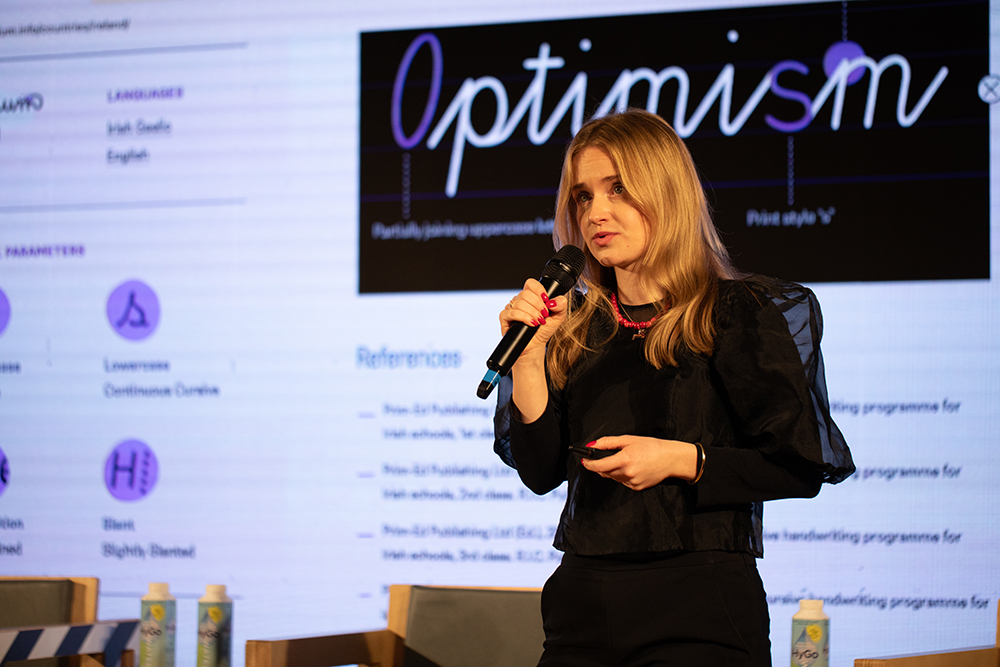
In the first session, Agyei Archer and Patrycja Walczak treated curiosity as a working method rather than a personality trait, showing how questioning assumptions leads to more ethical design decisions. Patrycja’s story of developing the Poltik typeface traced how a childhood fascination with her grandfather’s clock turned into rigorous typographic research, mentorship, and a published type family that reimagined Polish visual heritage. The session also unpacked handwriting’s role in learning and cognition, highlighted efforts to support diverse global handwriting models, and foregrounded language equity, asking who gets typographic infrastructure and who is left out. Curiosity ultimately appeared as a tool for recovering cultural histories, challenging colonial patterns in type design, and amplifying underrepresented voices. Notable projects to check out from TypeTogether are Playwrite and Primarium.
Design, belonging, and the city
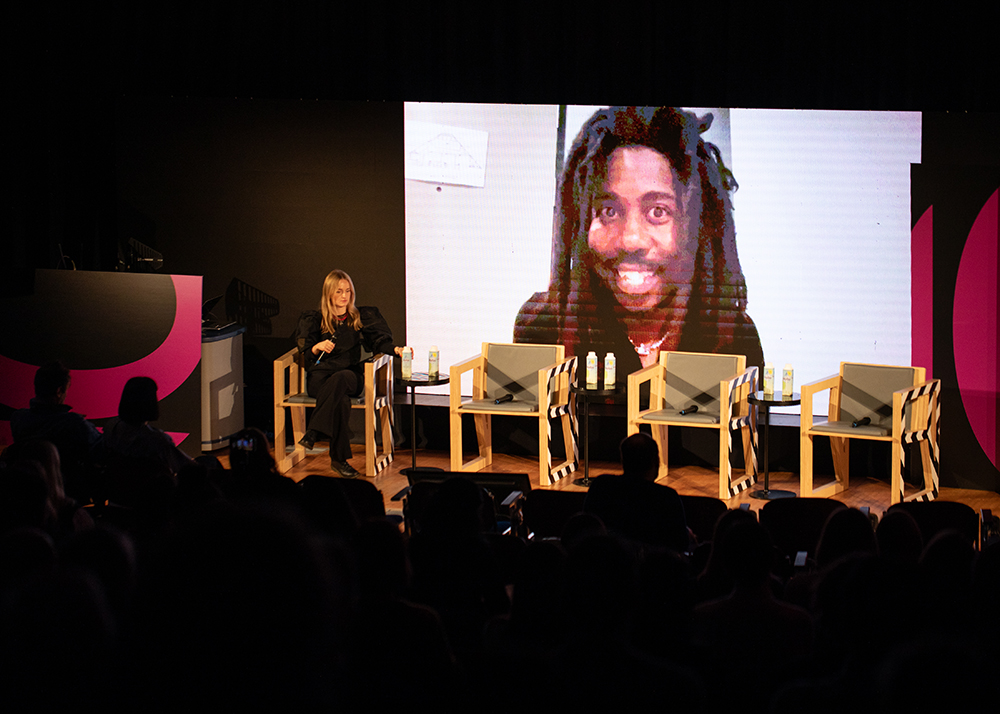
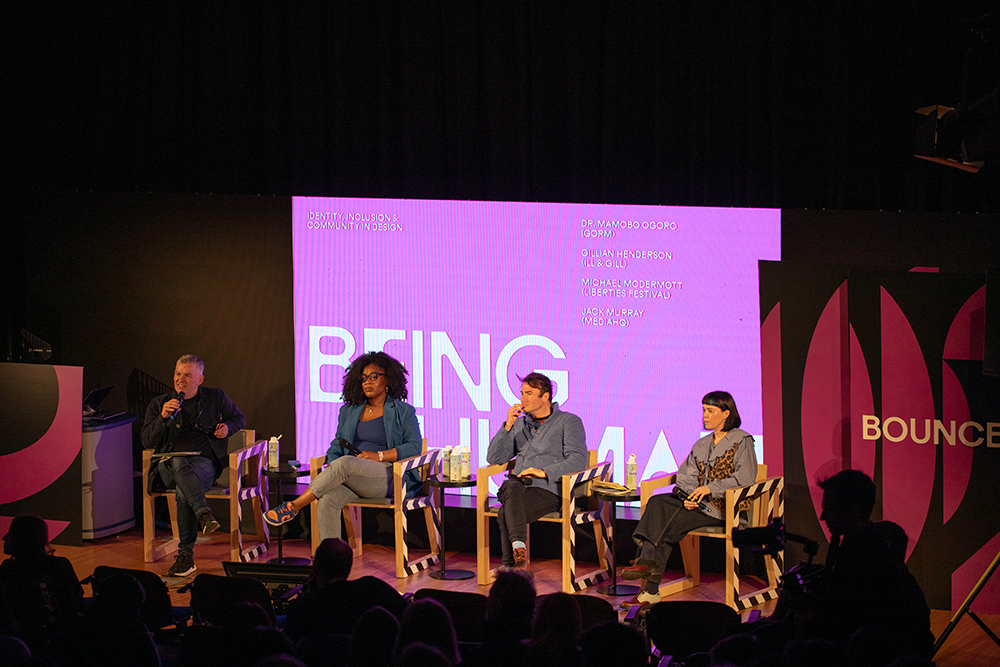
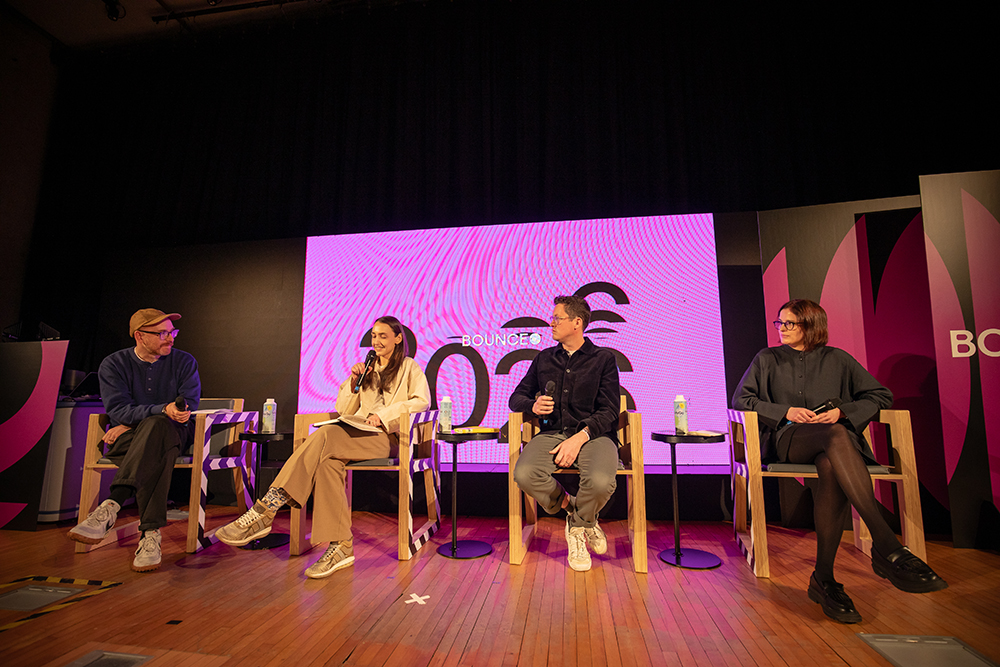
The second session’s panel on design as culture, power, and belonging recast design as a social practice embedded in lived experience and structural inequality. Dr. Mamobo Ogoro, Gillian Henderson, Michael McDermott, led by Jack Murray, discussed co‑creating “third spaces” of shared ownership, navigating ethical tensions in design work, and building dignity through everyday gestures in community projects. Stories of racism, isolation, and regeneration illustrated how curiosity and listening could transform harm into inquiry and systemic change.
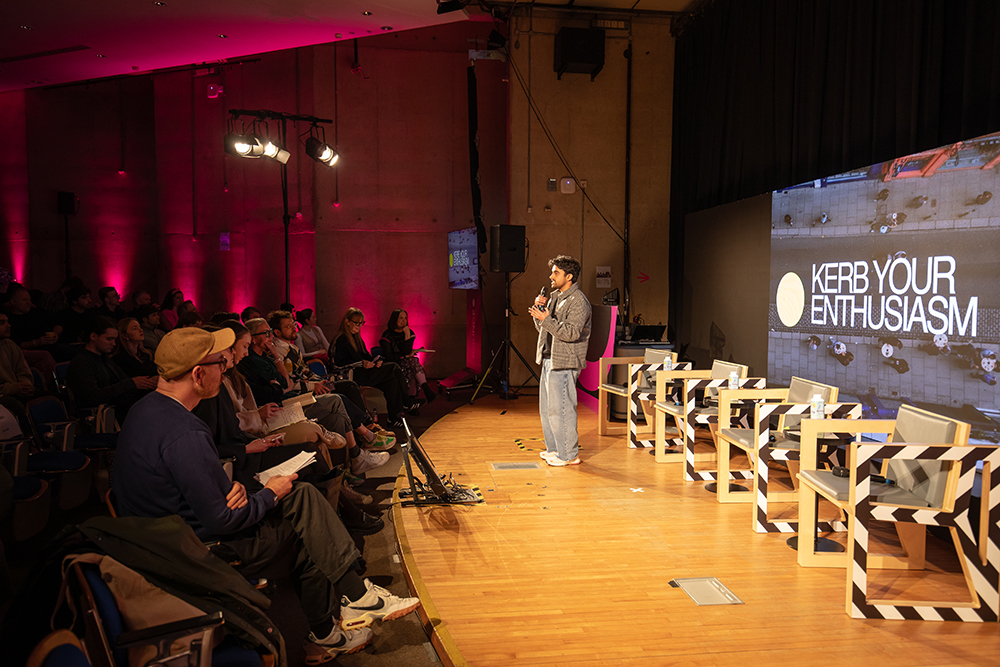
This thread continued in the Bounce Challenge session on Drury Street, where participants treated the street as a living system, using ethnographic research to surface overlooked behaviours like “kerb culture” and to propose low‑tech interventions, from modular kerb seating to circular‑economy visions, that designed with people rather than for them.
Beyond the human and the role of play
A later panel on non‑human design and regenerative futures pushed the conversation beyond human needs, asking what ecosystems require and how designers might treat materials as partners rather than resources. Speakers argued for slowing down, embracing “deep time,” and adopting land‑ethic thinking so that ethics and ecology were understood as inseparable.
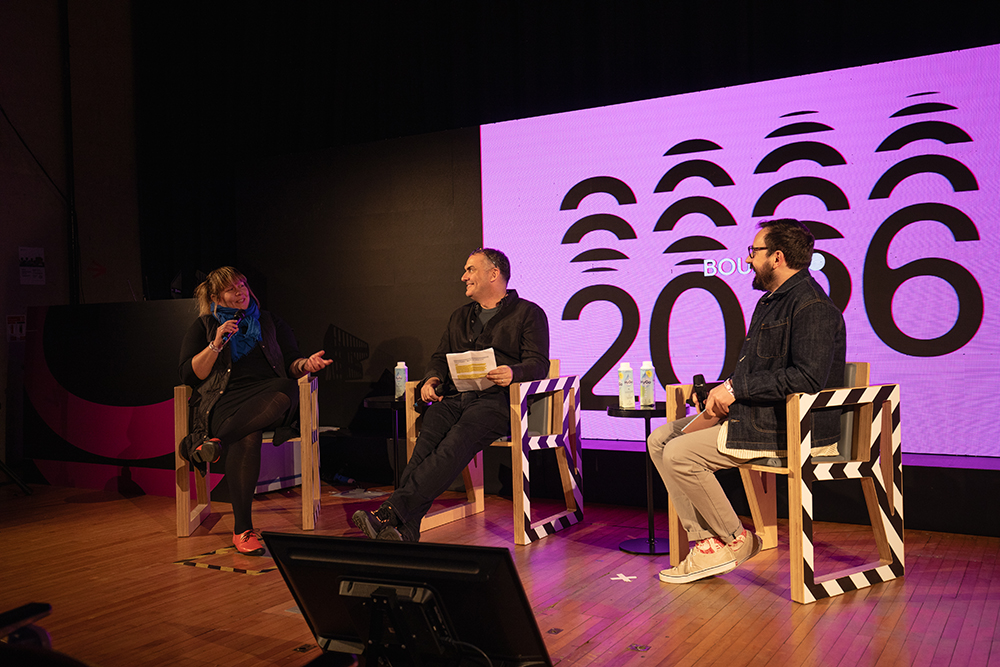
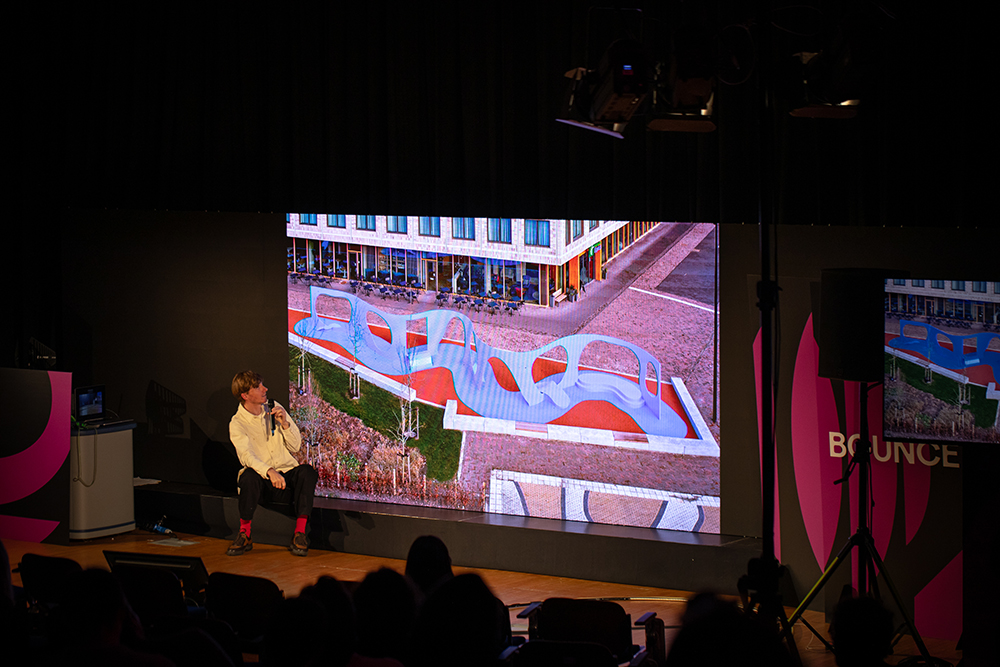
StudioSpass’s “Play for the People” then reframed play as a serious design strategy:Jaron Korvinus demonstrated how joyful experimentation, co‑creation, and open frameworks allowed audiences to become co‑authors, not just consumers. Across these sessions, informal social rituals, material storytelling, and playful rule‑breaking all surfaced as ways to redistribute agency and keep design responsive to communities and environments.
Community practice, documentary, and closing performance
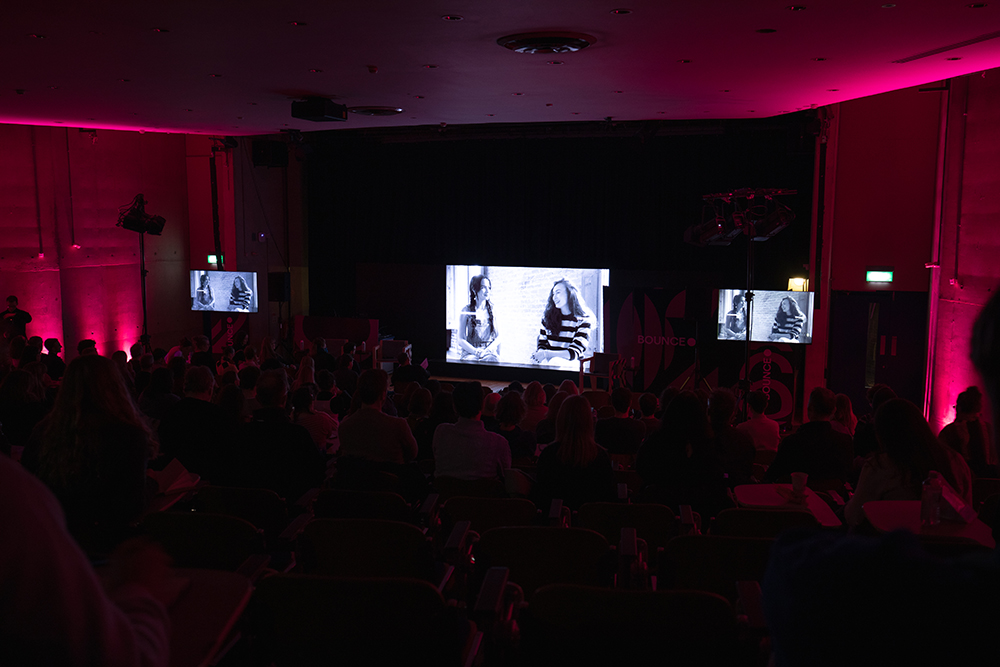
A documentary session with Fiona Ennis and Aisling Murphy reflected on creative careers as collective endeavours, showing how mentorship, shared learning, and platforms like BOUNCE built ecosystems of support and accountability.
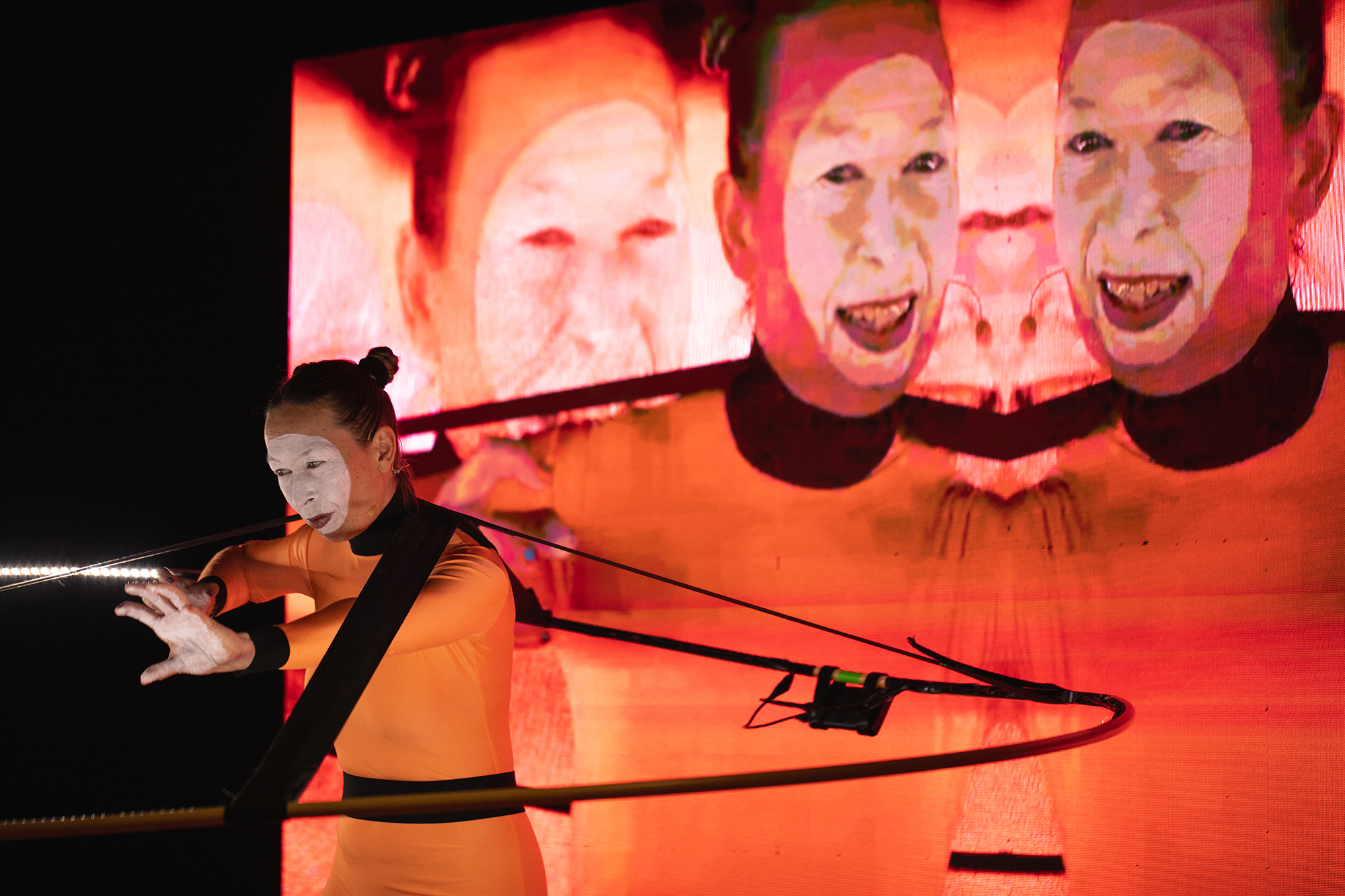
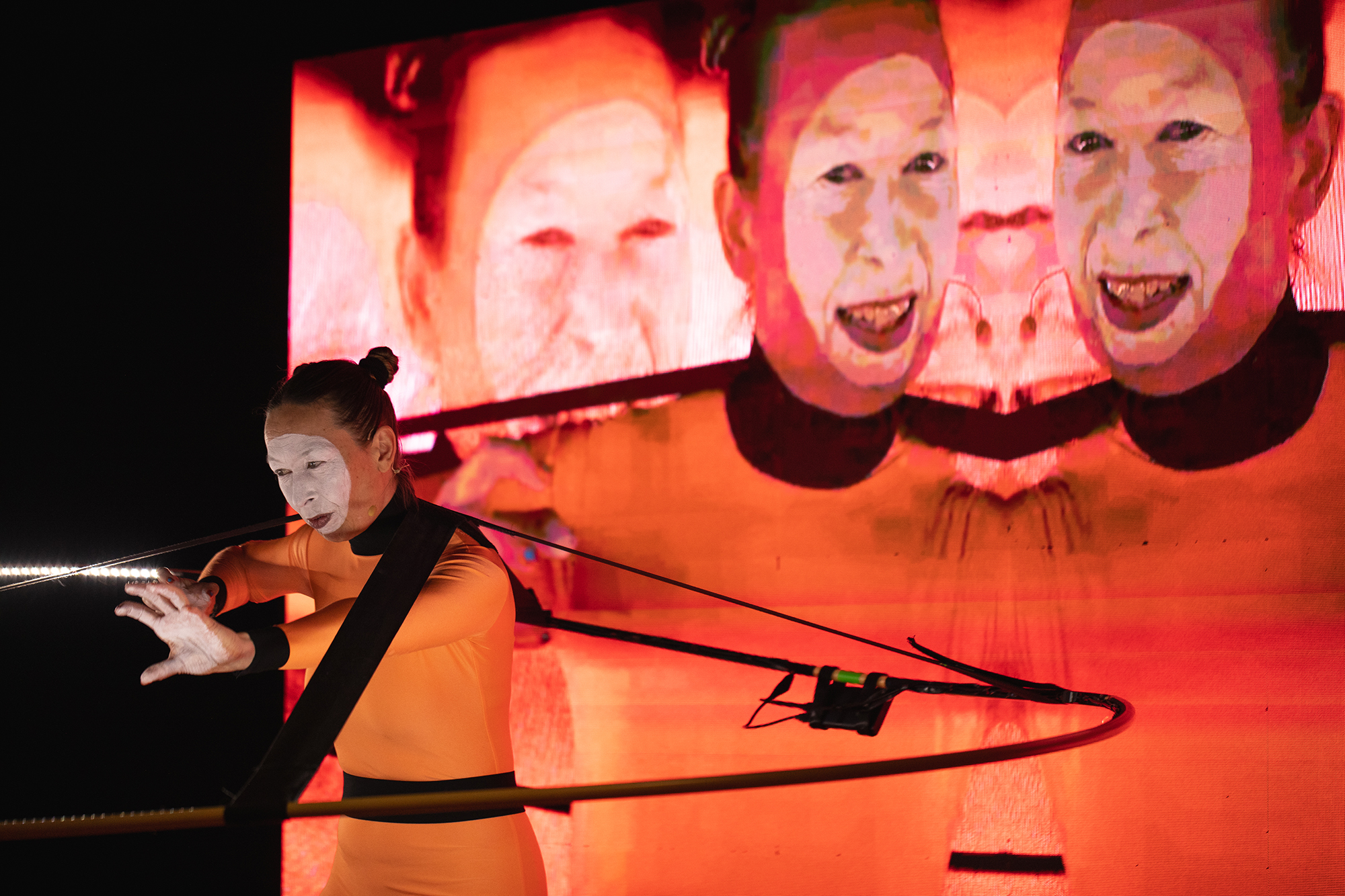
The day culminated in Luna Maurer’s “What Makes Us Human,” a lecture‑performance that used a glowing ring and a smartphone as co‑performer to explore friction between bodies and machines. Luna revisited early web optimism, introduced a “Designing Friction” framework that embraced slowness and resistance, and examined how choreography and AI could reveal new human–machine narratives. Across the programme, the event ultimately cast design as a living, relational practice, one where curiosity, play, community, and deliberate friction helped attendees imagine a more caring, critical, and participatory future for BOUNCE 2026.
Thank you!
We would like to sincerely thank our attendees who made the day so special, and we hope this years programme sparked ideas and invited curiosity into your practice.
Photography @hazelcoonagh